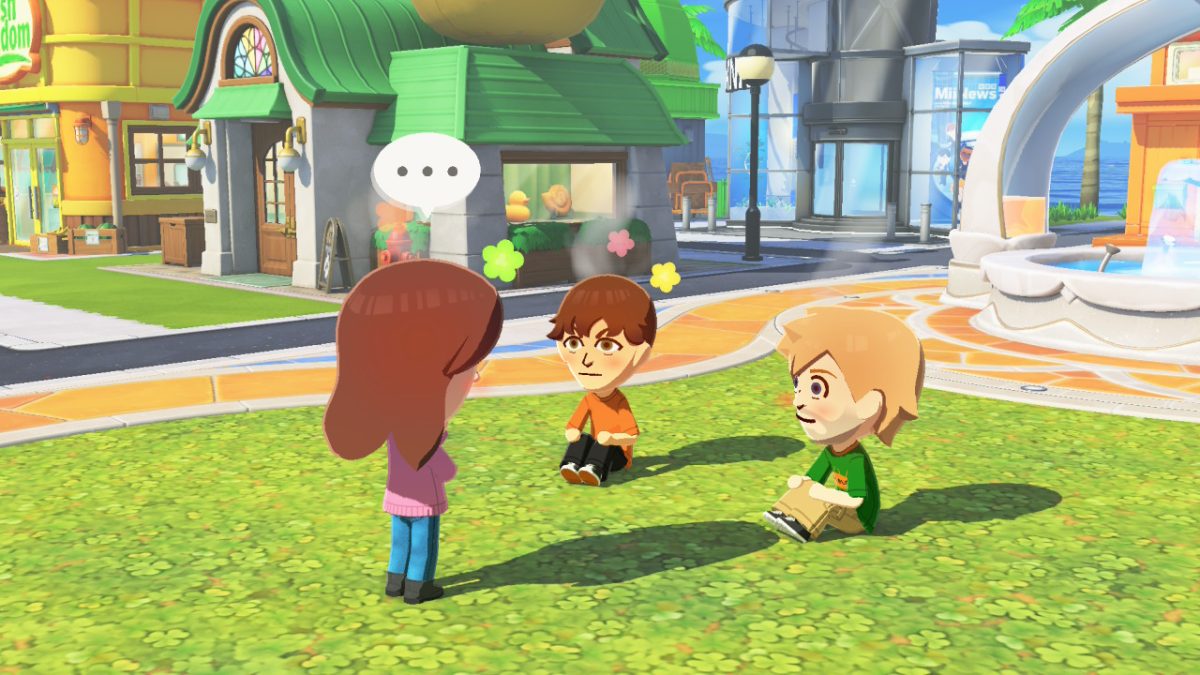
Over a decade after its predecessor, “Tomodachi Life: Living the Dream” arrives on the Nintendo Switch and Switch 2 with expanded customization, deeper storylines between Miis and new inclusive features.
The “Tomodachi Life” series is known for its absurdity, with players creating celebrities, fictional characters, politicians and more, then waiting for the narrative to unfold. Now, customization has virtually no limits, from Miis to buildings, allowing players to create almost anything they can imagine.

Miis originated on the Nintendo Wii as mascot-like characters and have evolved over time to fit various system upgrades. With “Living the Dream,” they are more versatile than ever before.
The trade-off for these expanded possibilities is a lack of online sharing. Many similar games have an online market allowing players to share their creations and add others’ creations to their games. In “Living the Dream,” however, that capability is nowhere to be found.
The creative spark stems from the Palette House, now offered in place of generalized customization, where players can use pens, brushes, shading and other features to bring their visions to life. Some players have even created styluses to further that potential and make highly detailed creations, while others make simplistic items to serve solely as jokes.
Customizability extends beyond Miis to pets, clothing, treasure and even the island itself. The game in its entirety serves as a blank canvas, with almost every facet capable of being changed to fulfill players’ visions.
While the expanded customization is impressive, it can occasionally feel overwhelming, especially for players unfamiliar with design tools. The number of options may slow down the experience for those who prefer the original game’s simplicity.
“Living the Dream” also introduces greater inclusivity, allowing Miis to identify as male, female or nonbinary, as well as develop crushes based on those identities. This feature was not present in the 2014 iteration, so the addition has made many longtime fans excited to be represented.
Gifts called Little Quirks can also be given to characters to further enhance individuality. Traits include different walking styles, greeting types, standing stances and more.
Not only do Miis span a wider range of identities, but more of their day-to-day lives are now accessible. The game runs in real time, meaning Miis experience the day actively, and players can see what they missed via the News Station.
Since Miis are active without direct interaction, they may build relationships — or even develop crushes — without player involvement. Whether players are more hands-on or more removed, the island will develop its own relationships, but major decisions like moving in together or marriage will be brought to the player for approval or rejection.
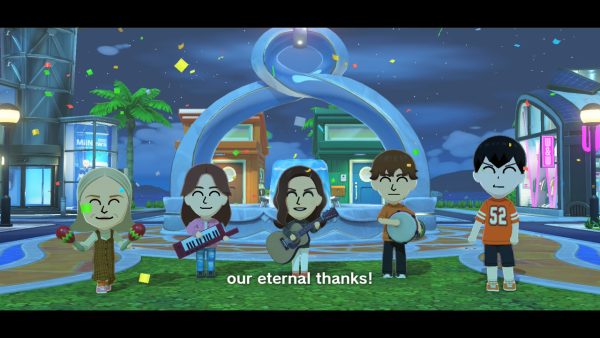
Despite its expanded systems, the game maintains its signature offbeat humor. From bizarre dream sequences to awkward social interactions, “Living the Dream” thrives on moments that feel equal parts charming and unpredictable.
While the humor can become stale after repeated moments and relationships may lose their appeal once the slow burn is over, “Living the Dream” still offers enough variety in its gameplay to keep a wide range of players engaged. Even for newcomers, its mix of creativity and unpredictability makes it easy to pick up and hard to put down.
To contact the features editor, email [email protected].
For more news, visit www.mtsusidelines.com, and follow us on Facebook at MTSU Sidelines and on X and Instagram at @mtsusidelines. Also, sign up for our weekly newsletter here.