Released on Netflix on Friday, “Frankenstein” transcends expectations through its design, cinematography and excellent cast, enthralling viewers with a storytelling that goes beyond the surface.
Like many adaptations, the film is based on Mary Shelley’s novel “Frankenstein: The Modern Day Prometheus,” published in 1818. Del Toro successfully keeps the same tone as the novel while separating itself with a new perspective. Both the movie and the classic novel dive deep into how surroundings shape a person, but witnessing the characters’ madness and emotions on screen brings to light a whole new meaning of the word “Monster.”
The movie follows scientist Victor Frankenstein (Oscar Isaac) and his creation, “The Creature” (Jacob Elordi), and, similar to the book, the prelude is set in the Arctic. From there, Victor Frankenstein confesses his sins to a sailor, who not only found Victor in poor condition, buried in snow, but also gave him shelter on his ship after escaping his creation’s grasp.
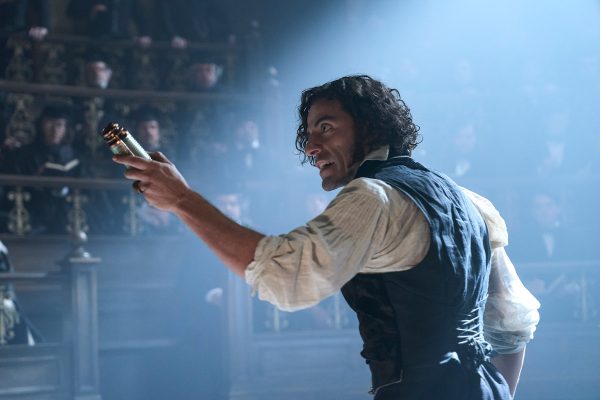
Victor reflects on his upbringing with the sailor as the scene changes into a flashback of his childhood, where he is seen being abused by his father and grieving his mother’s death.
Victor continues to share with the sailor the rest of his story, leading up to how he could have possibly created such a monster, and when it is believed the tale has come to an end, his own creature arrives to share his testimony.
Throughout the creator’s point of view, the creature is at first depicted as a thing of innocence whose mind is molded by its creator and its surroundings. Then, flipping to the creation’s point of view, it is evident that his behavior reflects what he was taught.
This theme is expressed through the creation’s appearance, at first being alive as all white, symbolizing purity and then watching his clothing and appearance darken as he endures the cruelties of the world. Frankenstein visits this theme of nature vs. nuture, but also explores themes of the father-son relationship, guilt, and isolation.
One highlight of “Frankenstein” was the incredible acting. Oscar Isaac truly embodied Victor’s passion for science and actress Mia Goth played not only Elizabeth Levenza, Victor’s brother’s wife and maternal figure towards the creation, but also Victor’s mother.
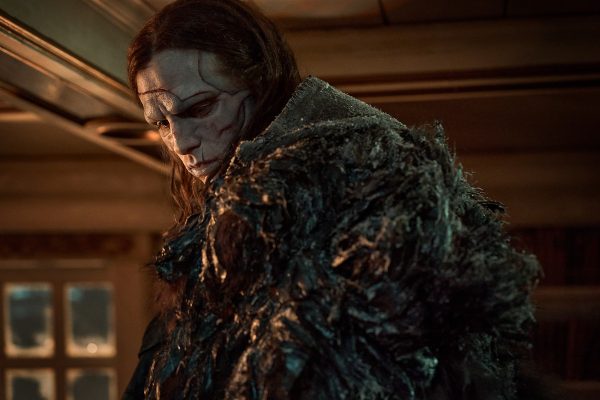
Del Toro chose the same actress for these roles to amplify the psychological layers. It represents Victor’s love for his mother, symbolizing how he never got over her death, while also painting Elizabeth as the mother role for the creature, while Victor reflected his father’s behavior towards his creation.
Elordi brought the creature to life by expressing the emotions of someone who is observing the beauty in life for the first time. He added a heartfelt layer to the character that brought tears and sympathy from many watchers.
Guillermo del Toro’s “Frankenstein” accomplishes having the philosophical depth of Mary Shelley’s original novel while adding new emotional characteristics to the gothic tale. Through del Toro’s choice of visual style and holistic storytelling, he invites audiences to revisit the question of who the true monster really is.
To contact the features editor, email [email protected].
For more news, visit www.mtsusidelines.com, and follow us on Facebook at MTSU Sidelines and on X and Instagram at @mtsusidelines. Also, sign up for our weekly newsletter here.