

The Game Awards announced the 2025 Game of the Year nominees on Nov. 17, spanning a mix of standout indies and recognizable heavy hitters.
The nominations confirmed some expected picks like “Hollow Knight: Silksong,” but also introduced a few wildcards — like “Clair Obscur: Expedition 33,” which broke records and scored 12 nominations across various categories.
The Game Awards use a hybrid voting system: 90% from a jury of more than 100 media outlets and 10% from the general public.
Six games earned a place in the GOTY race. All might be worthy of the title, but only one will take it home.
Here is an alphabetical breakdown of the nominees and what their nominations mean.
Clair Obscur: Expedition 33

This nomination isn’t just a win for its developers — “Expedition 33” now holds the record for the most nominations in Game Awards history.
The recognition signals that the jury sees it as a defining creative force of 2025, thanks to its turn-based combat blended with real-time mechanics, elevating Sandfall Interactive, a smaller studio, into the spotlight.
“Clair Obscur: Expedition 33” is a dark fantasy RPG where players guide a group known as Expedition 33 on a quest to confront the Paintress, a being who annually erases a specific age group from existence.
Its nomination shows how mid-budget indie games can still stand shoulder-to-shoulder with industry heavyweights.
Death Stranding 2: On the Beach
Hideo Kojima, creative head of the “Death Stranding” series and “Metal Gear” series, earns this new nomination, solidifying his identity as a visionary even in a crowded market.
This sequel sports risky narrative choices — such as a heavy reliance on symbolism and a story that intentionally withholds answers — paired with cinematic world design, culminating in a spectacle of a game. Players guide Sam Bridges through a post-apocalyptic world as he attempts to connect isolated survivors across a barren America.
The nomination reinforces that bold, creative swings are still valued on the stage of the Game Awards. Kojima’s stylistic choices are celebrated, not sidelined.
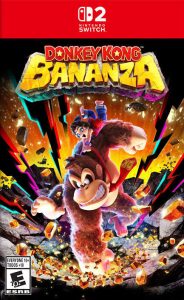
Donkey Kong Bananza
Nintendo’s recent 3D platformer, featuring legacy character Donkey Kong, earned its place among the other GOTY nominees with nostalgia, chaos and intuitive design.
Players control fan-favorite Donkey Kong as he destroys his environment to collect Banandium Gems and put a stop to mining corporation VoidCo.
DK’s most recent journey offers a whimsical experience, featuring colorful levels and quirky characters that keep players engaged.
The game’s nomination suggests that “classic” gameplay remains resonant with juries. Polished platformers — even whimsical ones — can still compete with sprawling, narrative-driven epics.
Hades II
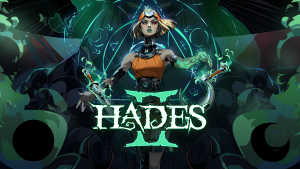
The sequel to “Hades” isn’t just being recognized for its improvements and polish but also for its evolution of the roguelike genre.
“Hades II” brings versatile gameplay and genre-defying narrative. As the player progresses through the story, overarching themes unfold and unravel, pushing the boundaries of storytelling.
Immortal daughter of Hades, Melinoë, is on a quest to defeat Chronos, the Titan of Time. She battles countless lost souls as she seeks to restore her family, which has been frozen by Chronos.
The nomination highlights how ongoing support for beloved indie franchises can pay off in prestige, not just sales.
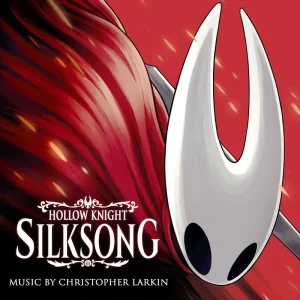
Hollow Knight: Silksong
This long-awaited sequel finally arrived earlier this year, bringing with it a powerful exploration of the metroidvania genre. Over eight years since its predecessor, “Silksong” has had ample time to bring new ideas and advancements to the formula.
Hornet, former princess-protector of her home, is kidnapped and brought to the mysterious kingdom of Pharloom. Players must guide Hornet as she navigates winding landscapes and fights her way to answers — and an escape.
By honoring “Silksong,” the jury is sending a message: emotional depth, visual beauty and tight design are valued whether they come from major studios or small teams. This nomination is a win for both artistry and perseverance.
Kingdom Come: Deliverance II
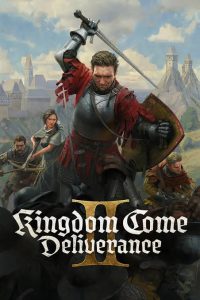
This medieval, historically rooted story marks yet another RPG nomination this year. Unlike many fantasy RPGs, however, “Deliverance II” heavily leans into realism.
“Deliverance II” continues the story of Henry of Skalitz amid a civil war in 15th-century Bohemia. Players maneuver Henry through battlegrounds and grief as he weighs his past losses and plots his future revenge.
The jury’s nomination here shows an emphasis on authentic world-building, moral complexity and long-form experiences.
The game is a reminder that sequels don’t need to be flashy and revolutionary to earn acclaim; thoughtful, grounded follow-ups rooted in real-world context can also resonate with players and critics alike.
The winner of Game of the Year will be announced at The Game Awards on Thursday, Dec. 11.
o contact the features editor, email [email protected].
For more news, visit www.mtsusidelines.com, and follow us on Facebook at MTSU Sidelines and on X and Instagram at @mtsusidelines. Also, sign up for our weekly newsletter here.

















View Story Comments