College can be an expensive commitment, and may not be the best path to success for everyone. But many MTSU students think a degree is worth it
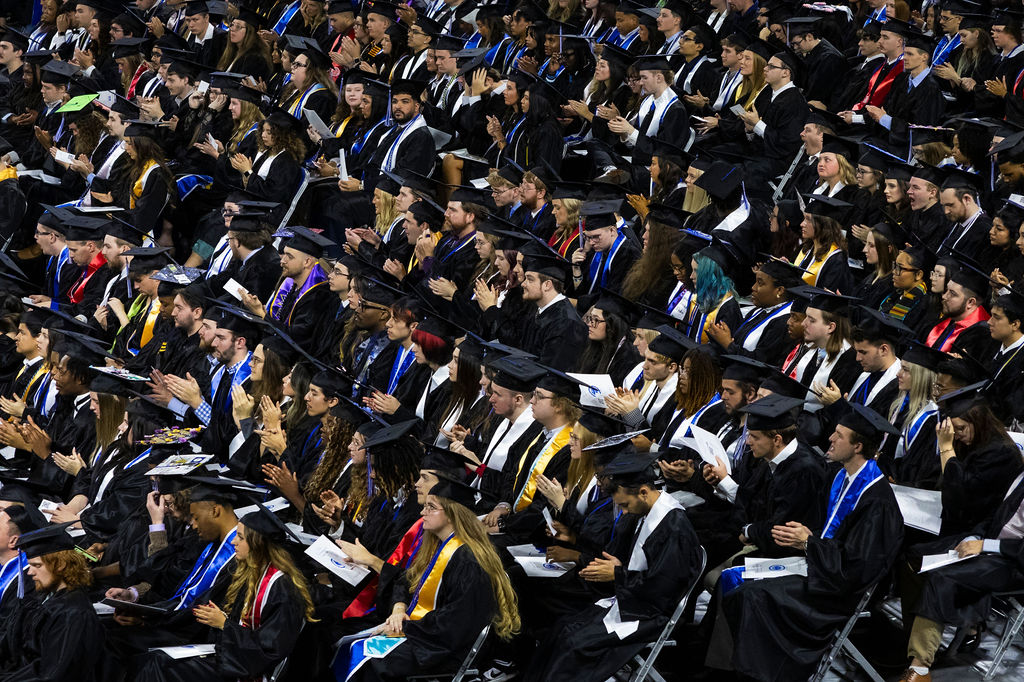
MTSU accepts 69% of applicants, but only about 39% graduate. Data from the 2023-2024 fiscal year showed that of 2,862 students, only 1,062 graduated at the four-year rate — only about 35%. The 2024-2025 school year showed an increase to 38%. But the six-year graduation rate remained steady at 53-54% from the last four years.
MTSU requires enrollment in 12 or more credit hours per semester to be a full-time student. But many full-time students find themselves enrolled in 15 to 18 hours to graduate on the 4-year track.
A one-credit-hour course with fees is $444 per semester. Without scholarships, the maximum course load of 21 hours costs about $5,949 for in-state tuition. Out-of-state undergraduate students pay $16,965 per semester for the average 15 credit hours.
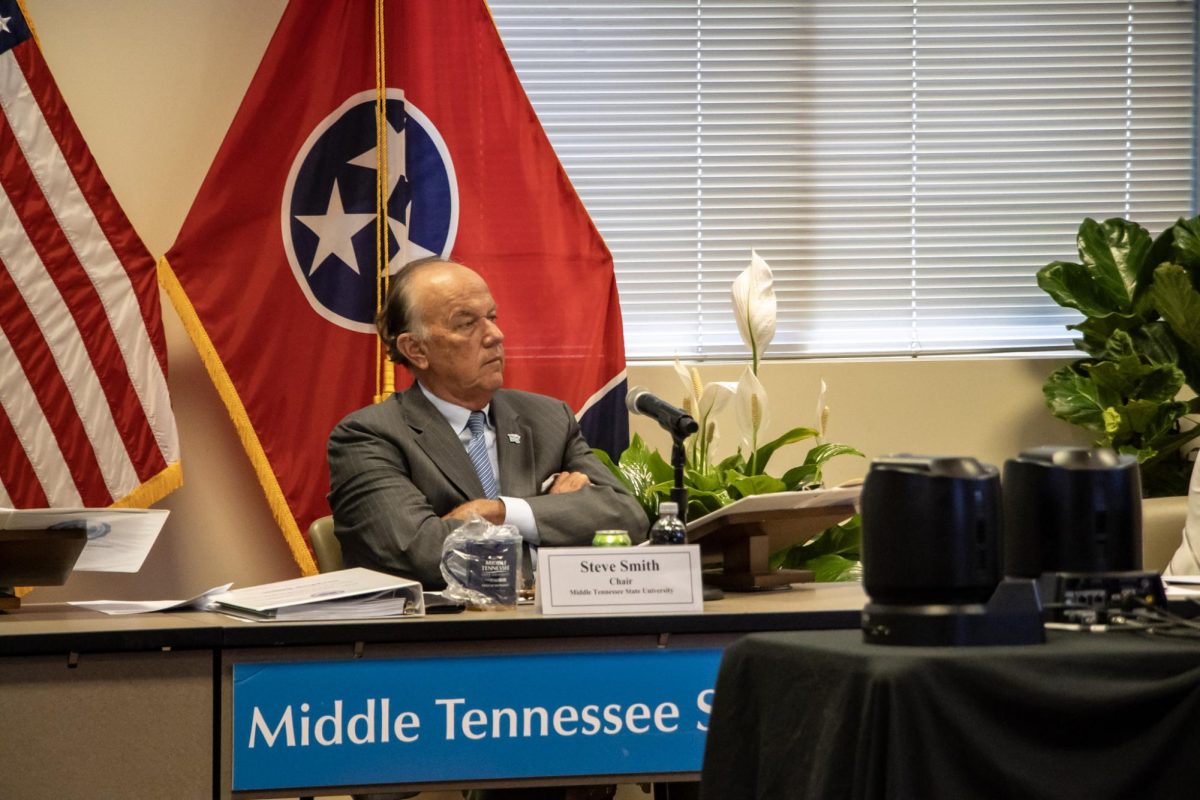
Tuition at most colleges costs thousands of dollars, and last year, MTSU’s board of trustees approved a 6.4% tuition increase for the 2025-2026 fiscal year.
Connor Elwell, a junior in audio production, thinks college is worth it if you get a good scholarship, but he believes education can also be better pursued outside of school for some people.
“I prefer to be on campus, I think having community and being able to meet people, the networking,” Elwell said. “I think it comes down to whether you can afford it or not.”
Trade schools offer new programs every year, sometimes for a fraction of traditional college tuition. Some careers don’t require higher education at all, like general management or commercial pilots.
Ethan Waddell, a senior studying commercial songwriting, thinks people should only go to college if they really want to.
“I think there’s a large majority of things you can learn outside of school now,” Waddell said. “You kind of have to sift through and decide if you think it’s gonna be worth it for you.”
First Year and Nontraditional Student Engagement Director Maigan Wipfli meets students with many different stories. She sees a lot of students who either transfer to MTSU or who have taken time away, who are getting their degree later in life or changing careers.
Wipfli said that whether college is worth it depends on someone’s career goals and whether that career requires a degree. As an educator for 20 years, she thinks college is worth it if someone’s goals align with it and if it’s what they want to do with their life.
“Yes, it’s expensive, and yes, it is a long time out of your life, but there are so many skills you gain on top of the career you’re looking for,” Wipfli said.
You get soft skills, communication, time management, writing, math skills and navigating difficult relationships, skills you wouldn’t get anywhere else, Wipfli said. Some make friends and relationships that last a lifetime.
Most bachelor’s degree holders earn 87% higher than those without a college degree, according to the Association of Public and Land-Grant Universities. Some career paths also require more than a high school diploma, like nursing or engineering.
Freshman Haley Lugsburn says that college has been a great experience for her and the people she’s met. She believes that higher education is how people get better jobs, and that makes it worth it.
“So far, I’m a freshman, it’s my second semester of college, and I’ve already opened so many new doors for my life,” Lugsburn said.
To contact the news editor, email [email protected].
For more news, visit www.mtsusidelines.com, and follow us on Facebook at MTSU Sidelines and on X and Instagram at @mtsusidelines. Also, sign up for our weekly newsletter here.