
Gorillaz celebrated the 25th anniversary of their debut album with the release of their ninth studio album, “The Mountain,” on Feb. 27. The album is bold in its sound and unique in its direction, and it serves as a much-needed breath of fresh air after the droning pop synth of Gorillaz’ “Cracker Island.”
‘The Mountain’ was originally inspired by Damon Albarn’s trip to India, but it quickly became something more following the death of both Albarn and Jamie Hewlett’s fathers. In the wake of their deaths, the pair channel potent feelings of loss through the album’s melancholy, soulful use of the sitar and the bansuri featured in songs such as “The Moon Cave,” as well as the album’s namesake, “The Mountain.”
Like any other Gorillaz album, “The Mountain” features many different artists, each with a unique sound and style, resulting in a vibrant, diverse collection of songs reflective of the Indian culture the album pays homage to. Naturally, many Indian artists are featured on the album, with Asha Bhosle’s chilling performance in “The Moon Cave” standing out even among the great vocal talent.
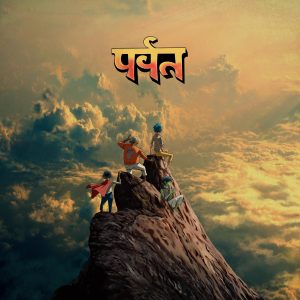
While the album is rife with new-age talent, some old faces also return. Johnny Marr of the Smiths features as a singer and songwriter for many songs, including “The Sweet Prince,” which highlights the true extent of Marr’s skill on electric guitar. Ajay Prasanna and Anoushka Shankar feature with Marr, on bansuri and sitar respectively.
“The Dream Machine” is another standout on the album. Albarn’s haunting vocals keep time with the dream-like sounds of the sitar as he laments the loss of his father. Black Thought’s accompanying vocals maintain the drifting, wistful flow of the song.
While the work is wonderfully fresh and culturally rich, a couple of the songs don’t stick the landing quite as well as the others. “The Happy Dictator” only ever serves its purpose as a part of the album’s overarching narrative. It feels out of place, with its heavy synth sound and strange, bouncy sampling that contains some of the worst of Gorillaz’ quirks. The song is enjoyable on its own, but its placement on the album leaves it in an awkward spot that takes the listener out of the album and somewhere else entirely.
The album also suffers from its own length. At 15 total songs, Gorillaz struggles to keep the energy going in the back half of the record. It is frustrating to see a work come so close to topping its predecessors like ‘Demon Dayz,’ only for it to fall so short in the home stretch.
At the very least, the final song, “The Sad God,” concludes the album on a high note. The angelic choir in the background, coupled with soaring batsuri and the artificial chiptune, encapsulate the compilation’s rich culture and melancholy narrative as Alabarn finally comes to terms with what he lost.
“The Mountain” is worth a listen even to those who aren’t hardcore Gorillaz fans, thanks to the sheer number of varied artists and sounds it offers. While it isn’t a perfect album by any means, it is a fresh and welcome addition to their discography, and it reinspires hope for the future of the project and the band.
To contact the features editor, email [email protected].
For more news, visit www.mtsusidelines.com, and follow us on Facebook at MTSU Sidelines and on X and Instagram at @mtsusidelines. Also, sign up for our weekly newsletter here.