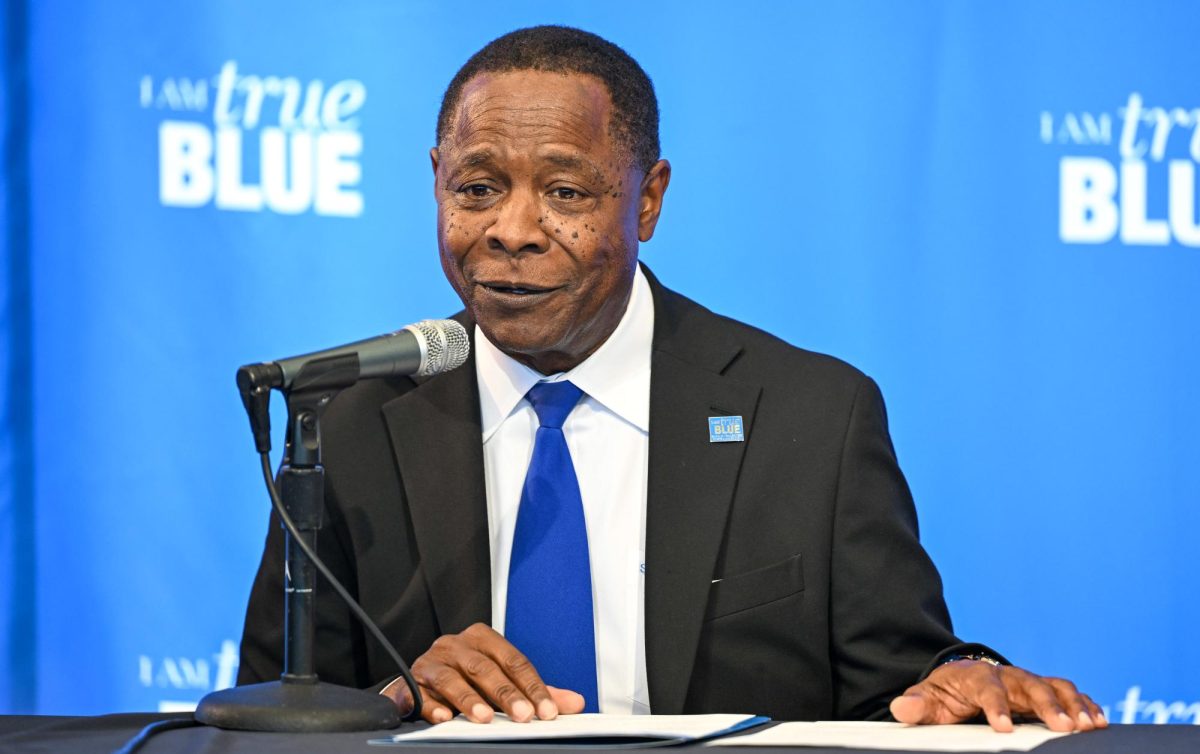
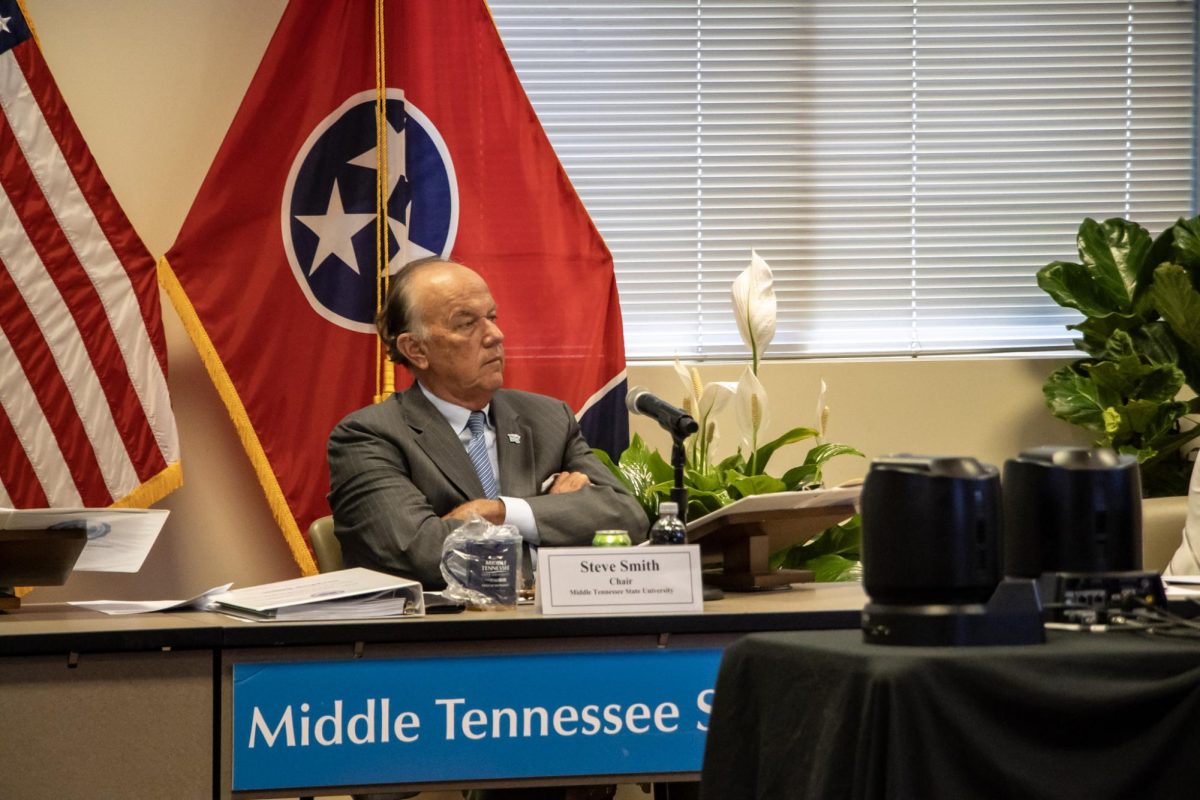
Former MTSU assistant dean, Laura Sosh-Lightsy, filed a lawsuit on Nov. 5 against MTSU’s President, Sidney A. McPhee, and Interim Vice President for Student Affairs and Dean of Students, Danny Kelley.
McPhee and Kelley terminated Sosh-Lightsy less than four hours after she made comments on social media about the murder of conservative activist Charlie Kirk. Sosh-Lightsy filed the lawsuit, citing her removal as a violation of protected speech under the First Amendment.
The lawsuit mentioned political pressure from Tennessee Sen. Marsha Blackburn, as well as MTSU alumnus Matthew Hurtt, as the reason for her termination.
Sosh-Lightsy is seeking damages, but the suit did not specify a monetary amount besides attorneys’ and court fees.
The lawsuit also references West Virginia State Board of Education v. Barnette, a Supreme Court case that held, “No official, high or petty, can prescribe what shall be orthodox in politics, nationalism, religion, or other matters of opinion,” implying that the university and state government officials violated federal law.
The day after her termination, MTSU utilized the red alert banner on the university’s homepage announcing Sosh-Lightsy’s termination. The lawsuit states that, in Sosh-lighty’s two decades of employment at MTSU, she cannot recall the banner being used to announce an employee’s termination.
The red alert banner is typically used to announce emergencies on campus, such as weather alerts and campus lockdowns.
As reported by WPLN, Jimmy Hart, an MTSU spokesperson, told the radio station that the “red-alert banner is a critical notification system used for incidents that create a dangerous threat.”
However, he elaborated that McPhee felt Sosh-Lightsy’s termination warranted this banner.
“It was a way to cast a really large net about what the president felt was an important message, and this was the most effective way to do that,” he said to WPLN News.
Sidelines reached out to MTSU for comment from McPhee.
“The university does not comment on pending litigation,” Hart said.
On the same day, MTSU sent her a termination letter stating its position that she was unable to objectively “resolve any student conduct matters, particularly those involving students whose opinions align with Mr. Kirk’s.” It also claimed that her posts caused a “disruption and interference with University operations.”
Sosh-Lighsty’s lawyers argue that her private posts on her personal social media account about a matter of public concern are protected by the First Amendment, despite any backlash they may have caused.
The lawsuit also claims that the termination was not the only act of retaliation from the university to suppress her First Amendment rights.
Sosh-Lightsy filed a police report with the Murfreesboro Police Department on Sept. 12, 2025, concerning targeted harassment and threats — including at least one death threat and at least one online post of her address and a picture of her house.
The lawsuit also claimed that Sosh-Lightsy continues to be the victim of harassment and threatening communications.
For about four days after her termination, Sosh-Lightsy felt unable to do anything other than cry and sleep due to anxiety, depression and fear, according to the lawsuit.
And, approximately two weeks after Ms. Sosh-Lightsy’s termination, she couldn’t go out in public, the lawsuit said.
The suit added that she still avoids going out, as she feels like members of the public are looking at her, laughing at her and threatening her due to the actions taken by McPhee and Kelley.
The entire lawsuit is available here.
To contact the news editor, email [email protected].
For more news, visit www.mtsusidelines.com, and follow us on Facebook at MTSU Sidelines and on X and Instagram at @mtsusidelines. Also, sign up for our weekly newsletter here.